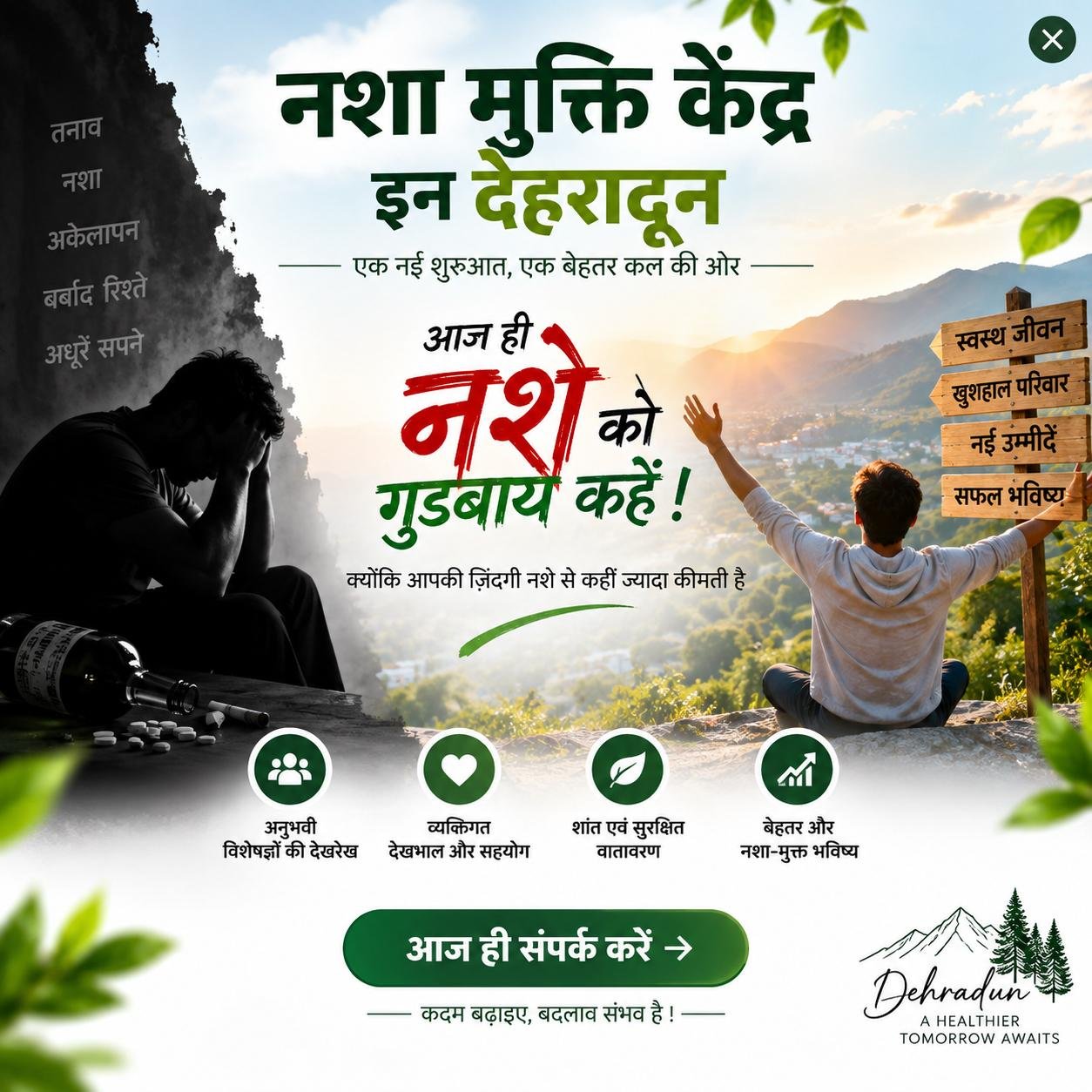
Most substance use begins in the teen years, and this is also when it is easiest to treat. Many parents miss the early signs because they look like ordinary teenage behaviour. This guide helps parents in Dehradun and across Uttarakhand recognise warning signs early and respond in a way that works.
Why Teens Are Vulnerable
The teenage brain is still developing, especially the parts that control judgement and impulse. That makes teens more likely to experiment and more likely to develop dependence quickly. Common triggers include:
- Peer pressure and friend circles
- Academic pressure, exam stress and career anxiety
- Easy access to alcohol, tobacco, vapes, cannabis, prescription pills or cough syrup
- Anxiety, depression or low self-esteem
- Conflict at home or lack of communication
- Social media and the glamorisation of substance use
Teen substance use is a concern across Indian states, including Uttarakhand, in both cities and smaller towns. [Add one verified local statistic with source, if available.]
Warning Signs to Watch For
One sign alone doesn’t confirm addiction. Look for a pattern of several changes that lasts more than a couple of weeks.
Behavioural Changes
- Sudden secrecy, lying or avoiding conversations
- New friends and dropping old ones
- Staying out late or breaking curfew
- Losing interest in sports, hobbies or family time
- Skipping school or tuition
Physical Signs
- Red or glazed eyes, changes in pupil size
- Unusual smell on breath, hair or clothes
- Sudden weight loss or gain, changes in sleep or appetite
- Frequent nosebleeds, tremors or poor coordination
- Neglecting hygiene and appearance
Emotional and Mental Signs
- Mood swings, irritability or aggression
- Anxiety, paranoia or withdrawal
- Unexplained tiredness or lack of motivation
Academic and Financial Signs
- Falling grades or school complaints
- Missing money or valuables at home
- Constant need for cash with vague explanations
Items to Notice
Unfamiliar pills, vapes, rolling papers, empty bottles, burnt foil or unusual paraphernalia in their room, bag or pockets.
Read More: How to Convince an Addicted Family Member to Join a Nasha Mukti Kendra
What to Do If You Notice These Signs
- Stay calm. Anger and panic usually make teens shut down.
- Choose the right moment. Talk when they are sober and the atmosphere is relaxed.
- Start with concern, not accusation. Say “I’ve noticed you seem stressed and I’m worried” instead of “What are you taking?”
- Listen first. Let them explain without interrupting.
- Avoid labels and threats. Words like “addict” or “useless” damage trust.
- Don’t ignore it or hope it passes. Early action matters most.
- Seek a professional assessment. A psychiatrist or counsellor can tell whether it is experimentation, misuse or dependence.
For tips on handling the conversation, read our guide on how to convince an addicted family member to join a Nasha Mukti Kendra.
When Does a Teen Need Professional Treatment?
Seek help promptly if you see:
- Use that continues despite warnings or consequences
- Failed attempts to stop
- Withdrawal symptoms such as shaking, sweating, severe anxiety or sleeplessness
- Signs of depression, self-harm or suicidal thoughts
- Risky behaviour, such as driving under the influence
For minors, admission requires the consent of a parent or guardian along with professional assessment. Treatment for young people should include counselling, family involvement and school and aftercare planning, not detox alone.
If your child is in immediate danger, such as an overdose, severe withdrawal or talk of self-harm, go to the nearest hospital straight away. For support, Tele-MANAS (14416) offers free 24×7 mental health counselling, and Childline (1098) supports children in distress. Please verify the current numbers before publishing.
How Parents Can Prevent Substance Use
- Keep regular, open conversations without lectures
- Know your child’s friends and routines
- Set clear rules and follow through consistently
- Watch for stress, bullying and mental health struggles
- Lead by example with alcohol and tobacco use at home
- Secure medicines and alcohol in the house
Read More: Role of Family During Recovery: The Biggest Strength in Addiction Recovery
Help for Families in Dehradun and Uttarakhand
At Safe Roof Trust, a trusted Nasha Mukti Kendra in Dehradun, we help families understand what their child is going through and choose the right level of care, from assessment and counselling to full treatment. We support families across Uttarakhand, and you can learn more on our Nasha Mukti Kendra in Uttarakhand page.
Call [Phone Number] for a free, confidential consultation.
FAQs
At what age does drug use usually start?
It often begins in the early to mid teens, which is why early conversations matter.
How can I tell experimenting from addiction?
Addiction shows as loss of control, continued use despite harm and withdrawal symptoms. A professional assessment can confirm this.
Should I search my teen’s room?
It depends on the situation. If you suspect danger, safety comes first. Follow up with a calm conversation rather than a confrontation.
Will my teen’s treatment stay confidential?
Yes. Patient information is kept private.
Can teens recover completely?
Yes. Early treatment with family support gives young people a strong chance of lasting recovery.
Disclaimer: This article is for general information and is not medical advice. Consult a qualified doctor or counsellor for your child’s situation.